

Caring About Your Pet's Dental Health
Recent studies have shown that 70% of adult cats and 80% of adult dogs show symptoms of oral disease. Bad breath, plaque build-up, excessive drooling, sore or bleeding gums when eating or chewing, and decreased appetite are signs that your pet’s teeth may require veterinary attention.
All pets have their teeth and gums examined by our doctors at their routine wellness visits. For dogs and cats of all ages, our licensed technical staff also performs routine dental cleanings which include high-speed ultrasonic cleaning, polishing, and fluoride treatments.
Periodontal disease is the most common disease in dogs and cats with approximately 85% having some form of this disease. Pets with periodontal disease may experience pain, bad breath, and eventual tooth loss. This chronic infection can spread to the heart, liver, lungs, and kidneys which makes routine dentistry vital in preventing periodontal disease.
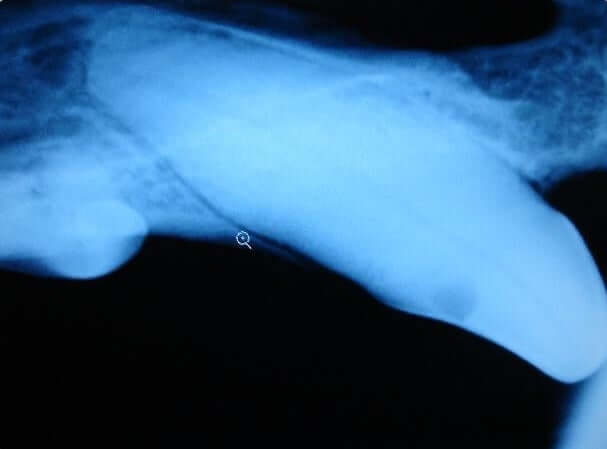
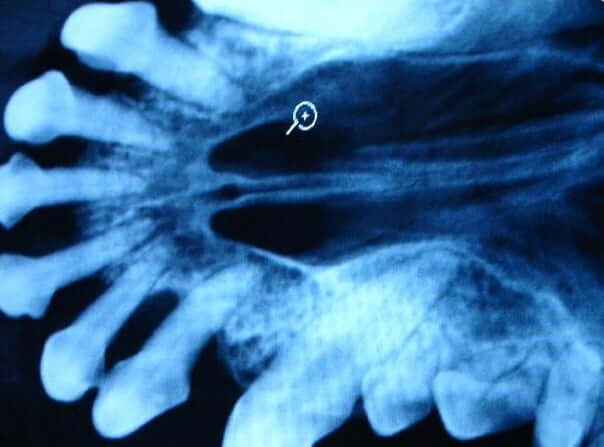
DPVH has the capability to take dental radiographs to look for diseased tooth roots which can cause infection and pain for your pet and, if necessary, our doctors perform both simple and complex surgical extractions of these diseased teeth.
Special precautions, such as pre-anesthetic blood work, intravenous catheter, and fluid therapy, and special anesthesia protocols are taken with compromised or older pets.
We offer Dentals on Tuesdays & Thursdays.
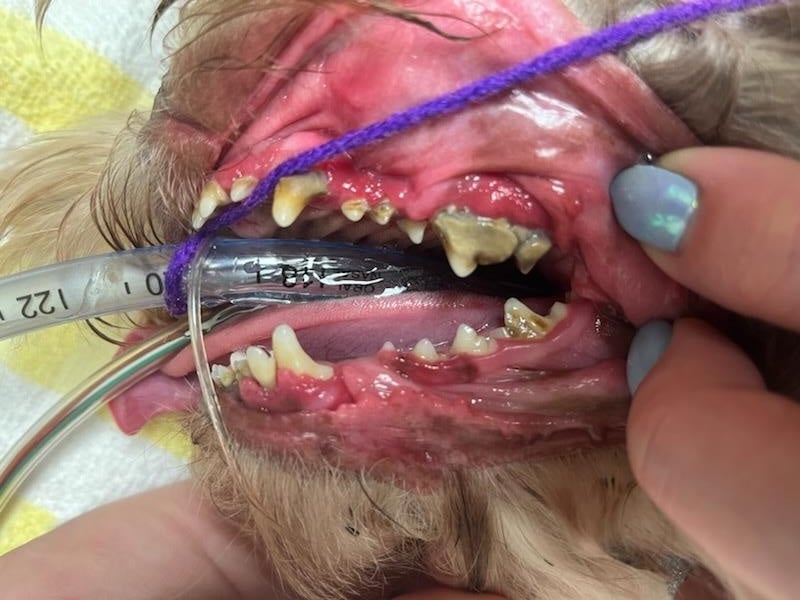
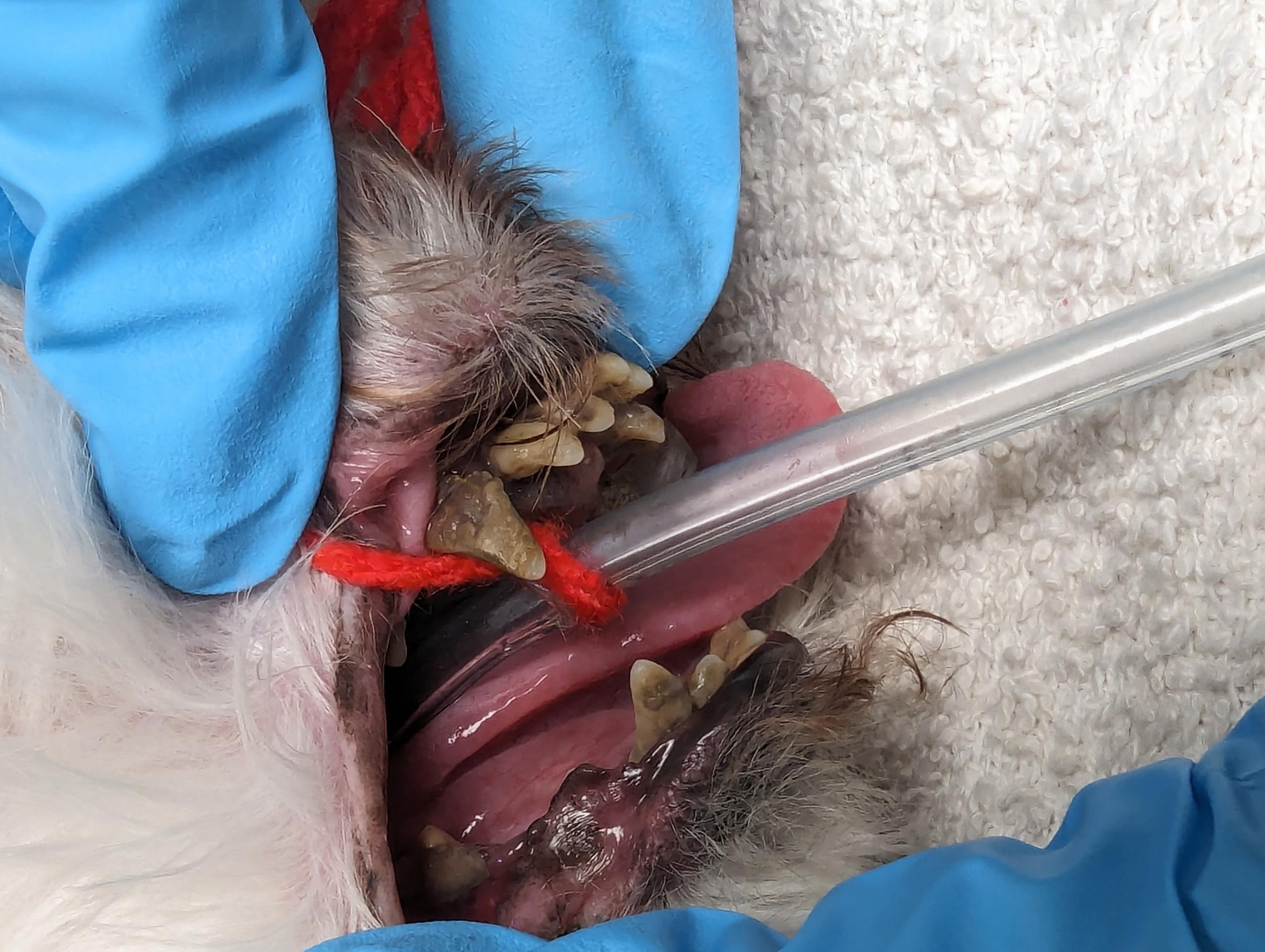
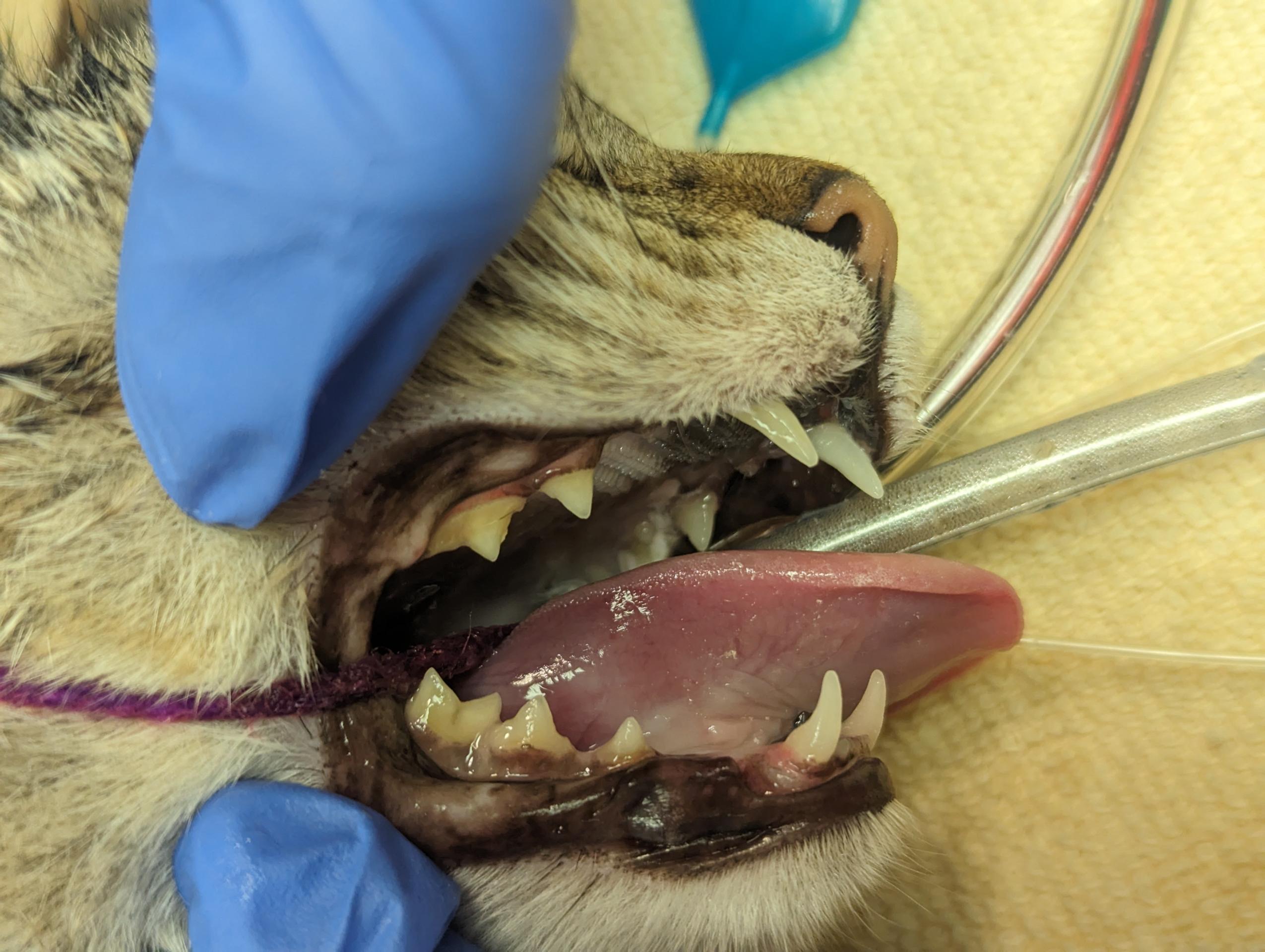
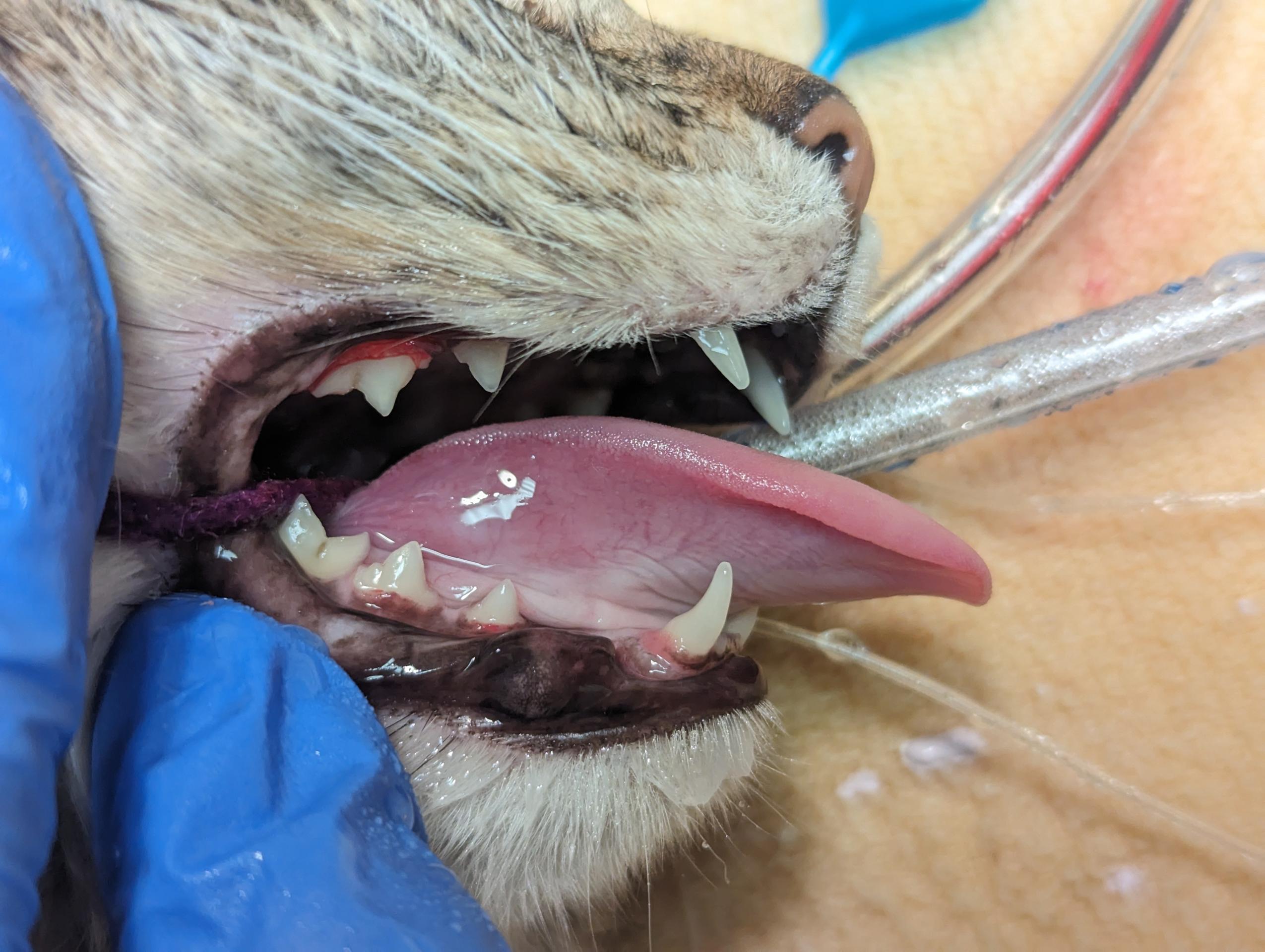
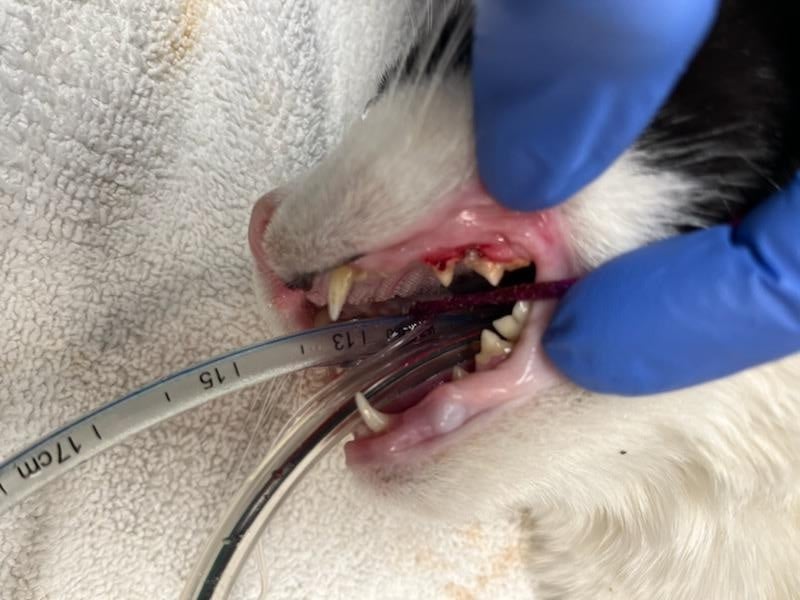
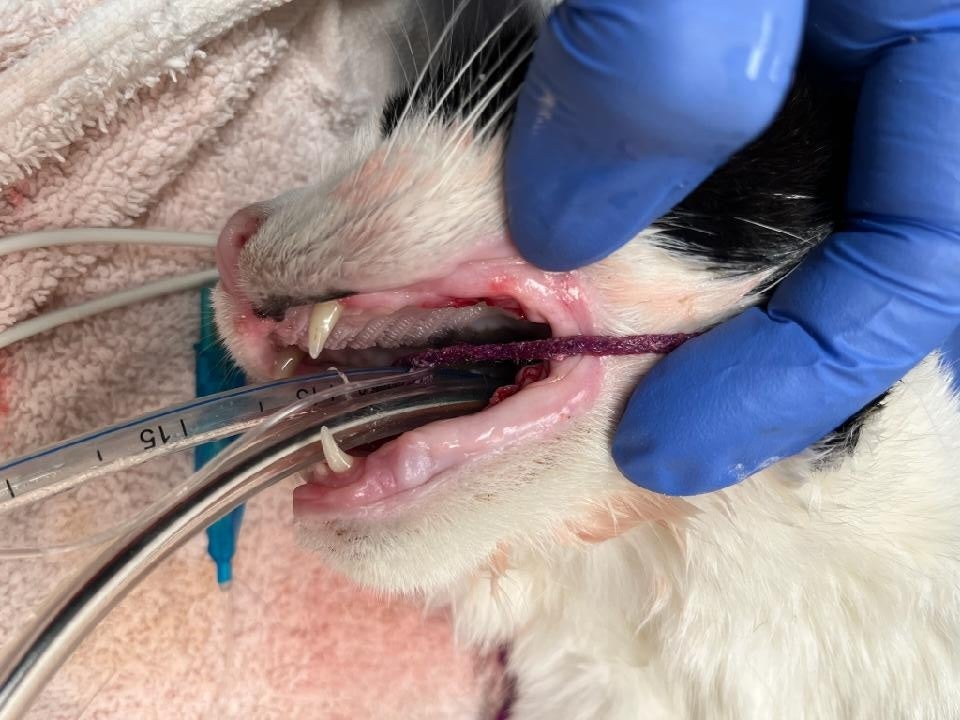
Routine Cleaning
Before
After
How often should I brush my dog’s teeth?
Daily brushing is ideal, but even a few times per week can significantly reduce plaque buildup.
How do I know if my pet needs a dental cleaning?
Signs include bad breath, yellow or brown buildup, red gums, or difficulty eating.
How much does a dog dental cleaning cost?
Costs vary depending on your pet’s needs. We’re happy to provide an estimate after an exam.
My dog has bad breath — is that normal?
Persistent bad breath is often a sign of dental disease and should be evaluated.
Can I brush my cat’s teeth at home?
Yes, with pet-safe toothpaste and gradual training. Regular brushing helps prevent dental disease.
What happens during a pet dental cleaning?
Dental cleanings include a full oral exam, scaling, polishing, and X-rays under anesthesia.
Is anesthesia safe for my pet during a dental procedure?
Modern anesthesia is very safe, and pets are closely monitored throughout the procedure.