
Kitten Care
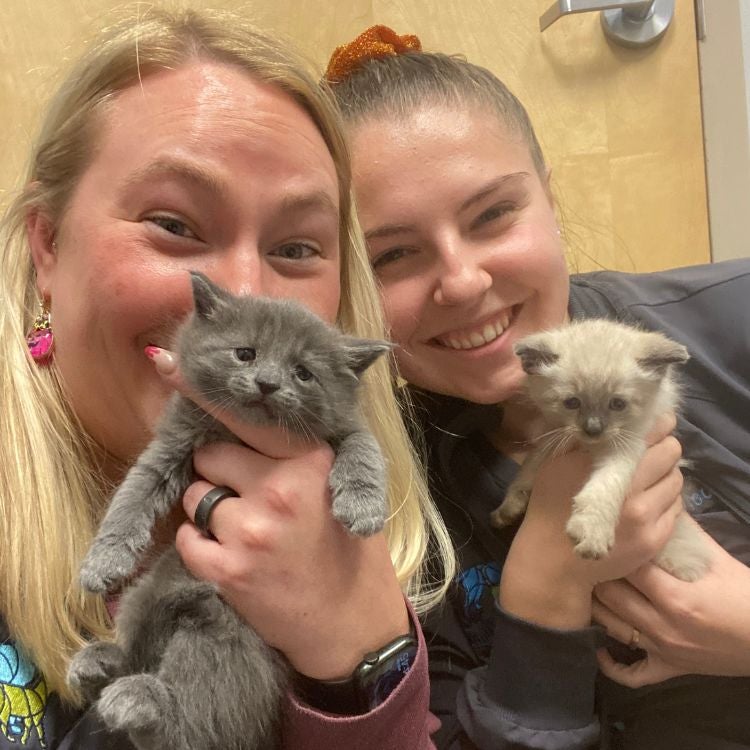
Bringing home a new kitten is an exciting milestone, but proper care during the first year of life is critical to long-term health. Kittens grow rapidly and require specialized veterinary care, nutrition, and preventive services to support healthy development. At Deer Park Veterinary Hospital, we provide comprehensive kitten care to help your new companion get the best possible start.
This page explains what kitten care includes, when to schedule veterinary visits, common health concerns, and how to support your kitten’s physical and behavioral development.
What Is the Most Important Part of Kitten Care?
Preventive veterinary care is the foundation of raising a healthy kitten. Early exams allow veterinarians to monitor growth, detect congenital issues, and protect kittens from infectious diseases and parasites.
Essential components of kitten care include:
-
Routine wellness exams
-
Core and lifestyle vaccinations
-
Parasite prevention and screening
-
Proper nutrition and feeding schedules
-
Behavior guidance and socialization
-
Spaying or neutering at the appropriate age
Consistent veterinary care during kittenhood significantly reduces the risk of illness later in life.
When Should a Kitten First See a Veterinarian?
Kittens should have their first veterinary visit at 6 to 8 weeks of age, or as soon as possible after adoption. During early life, kittens typically visit the veterinarian every 3 to 4 weeks until they are about 16 to 20 weeks old.
These visits allow your veterinarian to:
-
Track growth and weight gain
-
Administer vaccines on schedule
-
Screen for parasites
-
Address nutrition and behavior questions
-
Establish a lifelong health baseline
What Happens During a Kitten Wellness Exam?
A kitten wellness exam includes a complete physical evaluation and health assessment. Your veterinarian will examine your kitten from head to tail and discuss important aspects of care.
Kitten exams commonly include:
-
Heart and lung evaluation
-
Eye, ear, and oral examination
-
Skin and coat assessment
-
Abdominal palpation
-
Weight and body condition monitoring
-
Parasite screening, including fecal testing
Based on findings, your veterinarian may recommend vaccinations, flea and tick prevention, or additional diagnostics.
What Vaccinations Do Kittens Need?
Vaccinations protect kittens from highly contagious and potentially fatal diseases. Core vaccines are recommended for all kittens, while non core vaccines depend on lifestyle and exposure risk.
Core kitten vaccines include:
-
Feline panleukopenia (distemper)
-
Feline herpesvirus
-
Calicivirus
-
Rabies
The feline leukemia virus vaccine may be recommended for kittens who go outdoors or have contact with other cats. Your veterinarian will create a vaccination schedule tailored to your kitten.
How Should I Feed My Kitten?
Kittens have different nutritional needs than adult cats and require food formulated specifically for growth. High quality kitten diets contain increased protein, calories, and essential nutrients to support development.
General feeding guidelines include:
-
Feeding three to four meals per day
-
Choosing a balanced kitten-specific diet
-
Providing fresh water at all times
Wet food can help support hydration, while dry food may assist with dental health. Your veterinarian can help you choose the best feeding plan for your kitten.
What Are Early Signs of Health Problems in Kittens?
Kittens can become ill quickly, and early signs may be subtle. Contact your veterinarian if you notice:
-
Lethargy or weakness
-
Poor appetite
-
Vomiting or diarrhea
-
Sneezing or coughing
-
Eye or nasal discharge
-
Weight loss or failure to gain weight
-
Changes in behavior or litter box habits
Common kitten health issues include upper respiratory infections, intestinal parasites, ear mites, and flea infestations.
Why Is Parasite Prevention Important for Kittens?
Kittens are especially vulnerable to internal and external parasites. Fleas, intestinal worms, and ear mites can cause discomfort, anemia, poor growth, and serious illness.
Veterinary-recommended parasite prevention helps:
-
Protect kittens during early development
-
Prevent transmission to other pets
-
Reduce household infestations
-
Support healthy growth and immune function
How Do I Support Healthy Kitten Behavior and Socialization?
Early socialization plays a major role in a kitten’s long-term behavior. Gentle handling, positive interactions, and exposure to new experiences help kittens grow into confident adult cats.
Healthy kitten behavior includes:
-
Playful exploration
-
Curiosity and engagement
-
Learning boundaries through play
-
Using body language and vocalizations to communicate
Interactive play and enrichment help kittens develop coordination, confidence, and appropriate social skills.
Why You Should Avoid Self-Diagnosing Kitten Health Issues
Kittens can decline quickly if health problems are misdiagnosed or treated incorrectly. Online information may be misleading or unsafe, especially for young animals.
Veterinary care ensures:
-
Accurate diagnosis
-
Safe treatment options
-
Proper medication dosing
-
Early intervention for developing conditions
Regular veterinary visits are essential for protecting your kitten’s health during this critical life stage.
Kitten Care at Deer Park Veterinary Hospital
Raising a kitten is rewarding, but it requires attentive care and professional guidance. At Deer Park Veterinary Hospital, we offer comprehensive kitten care services designed to support healthy growth, development, and lifelong wellness.
Call (513) 791-8550 or email us at [email protected] to schedule your kitten’s first veterinary visit or to ask questions about kitten care in Cincinnati, Ohio. We look forward to partnering with you in your kitten’s lifelong health.
Frequently Asked Questions
What do I need for a new kitten?
Essentials include food, bedding, toys, a crate or carrier, and a veterinary care plan.
How do I introduce a new pet to my other pets?
Introduce pets gradually in a controlled environment to reduce stress and prevent conflict.
What should I feed a new kitten?
Feed a high-quality diet formulated for growth and development.