
Cat Fleas and Ticks
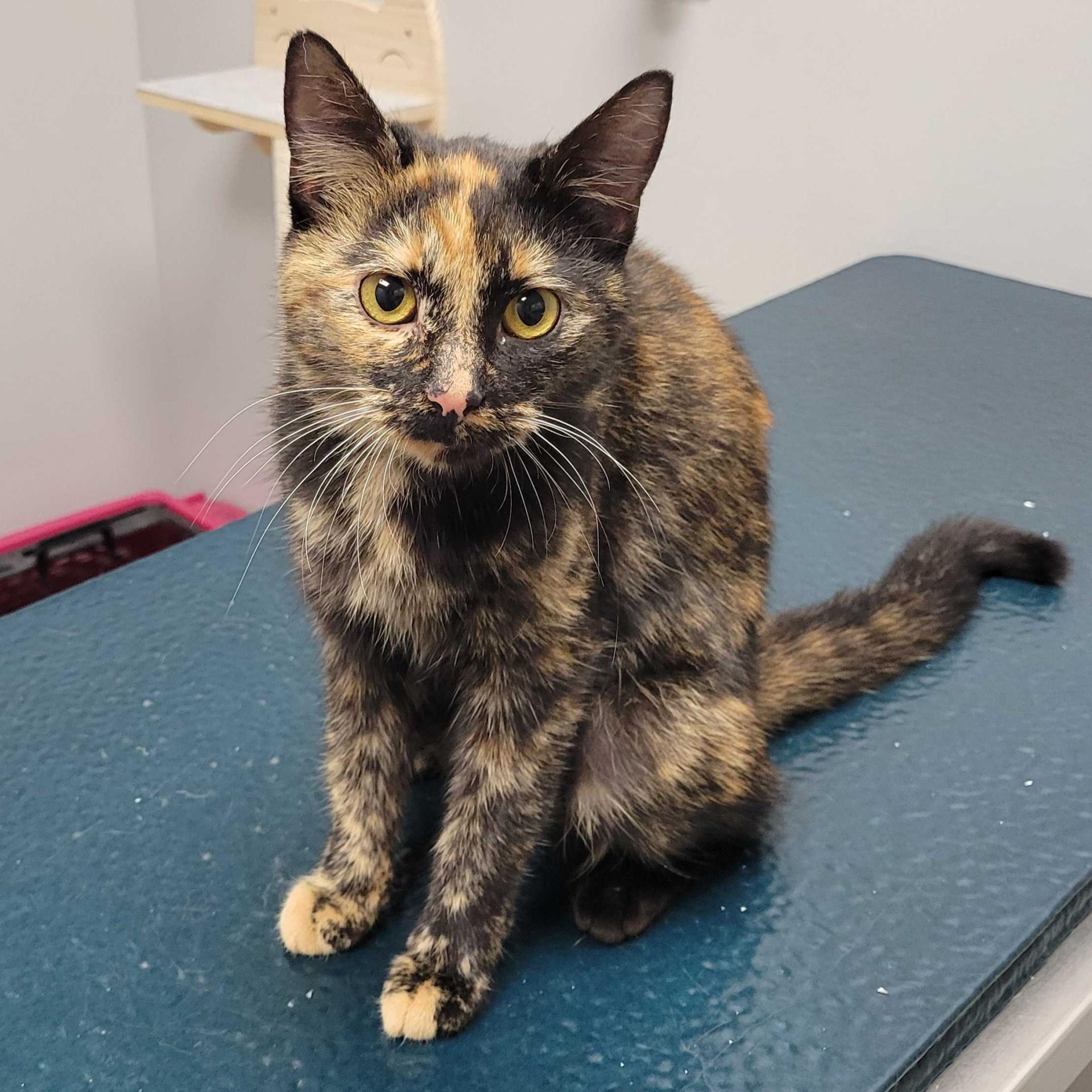
Fleas and ticks are more than just a nuisance for cats. These external parasites can cause skin irritation, transmit serious diseases, and lead to household infestations if left untreated. At Deer Park Veterinary Hospital, we provide veterinarian-recommended flea and tick prevention to help protect cats in Cincinnati and the surrounding areas year-round.
What Are Fleas and Ticks?
Fleas are tiny, wingless insects that feed on an animal’s blood. They reproduce rapidly and can live in carpets, bedding, furniture, and cracks in flooring. A single flea can lay dozens of eggs, making infestations difficult to eliminate without professional treatment.
Ticks are spider-like parasites that attach to cats to feed on blood. They go through multiple life stages and are commonly found in tall grass, wooded areas, and leaf litter. Ticks can remain attached for several days and may transmit disease during feeding.
How Do Fleas and Ticks Affect Cats?
Fleas and ticks can cause a wide range of health issues in cats, including:
-
Intense itching and skin inflammation
-
Hair loss and scabbing
-
Flea allergy dermatitis
-
Secondary skin infections
-
Anemia, especially in kittens
-
Tapeworm infections from ingesting fleas
Ticks can transmit diseases that may lead to fever, joint pain, lethargy, decreased appetite, and organ damage. Some flea- and tick-borne illnesses can become life-threatening if left untreated.
How Do Cats Get Fleas and Ticks?
Cats can be exposed to fleas and ticks through:
-
Outdoor environments such as grass, shrubs, and wooded areas
-
Contact with other pets
-
Humans bringing parasites indoors on clothing or shoes
Even indoor-only cats are at risk. Once fleas enter a home, they can quickly multiply and infest living spaces, bedding, and carpets.
Why Is Flea and Tick Prevention Important for Cats?
Preventing fleas and ticks is far easier and safer than treating an active infestation. Consistent prevention helps:
-
Reduce the risk of parasite-borne disease
-
Prevent painful skin conditions and allergic reactions
-
Protect kittens from life-threatening anemia
-
Prevent household infestations
-
Lower long-term veterinary costs
In Cincinnati’s seasonal climate, flea and tick prevention is recommended year-round.
What Are the Signs of Fleas or Ticks on Cats?
Common signs of flea or tick exposure include:
-
Frequent scratching or biting at the skin
-
Excessive grooming
-
Hair loss or thinning coat
-
Red or scabbed skin
-
Flea dirt, which looks like small black specks
-
Pale gums or lethargy
-
Visible fleas or ticks
If you notice any of these signs, your cat should be examined by a veterinarian as soon as possible.
What Diseases Can Fleas and Ticks Transmit to Cats?
Fleas and ticks can transmit several serious conditions, including:
-
Tapeworms
-
Bartonellosis (cat scratch disease)
-
Flea-borne typhus
-
Lyme disease
-
Ehrlichiosis
-
Anaplasmosis
-
Rocky Mountain spotted fever
These diseases may cause fever, gastrointestinal upset, anemia, neurologic issues, and organ damage.
What Are the Most Effective Flea and Tick Treatments for Cats?
The safest and most effective flea and tick prevention options are veterinary-prescribed products. These may include:
-
Topical spot-on medications
-
Oral preventatives
-
Long-acting injections
Over-the-counter products can be ineffective or unsafe for cats. A veterinarian can recommend the best option based on your cat’s age, health, and lifestyle.
How Can a Veterinarian Help With Flea and Tick Prevention?
Your veterinarian plays a critical role in flea and tick control by:
-
Recommending safe, effective preventatives
-
Explaining proper dosing and application
-
Monitoring for side effects or reactions
-
Treating active infestations
-
Providing guidance on home environmental control
Veterinary guidance ensures your cat receives protection without unnecessary risk.
What Should I Do If I Find Fleas or Ticks on My Cat?
If you find fleas or ticks on your cat:
-
Contact your veterinarian promptly
-
Avoid using dog flea products, which are toxic to cats
-
Do not attempt home remedies without guidance
-
Follow veterinary instructions for parasite removal and treatment
Environmental cleaning may also be necessary to prevent reinfestation.
Protecting Your Cat From Fleas and Ticks
Fleas and ticks can cause significant discomfort and serious illness in cats, but they are highly preventable. Consistent veterinary-recommended prevention is the most effective way to keep your cat protected.
At Deer Park Veterinary Hospital, we offer comprehensive flea and tick prevention tailored to your cat’s needs.
Call (513) 791-8550 to schedule an appointment or contact us at [email protected] with questions about flea and tick prevention for your cat in Cincinnati, Ohio.