
Cat Senior Care
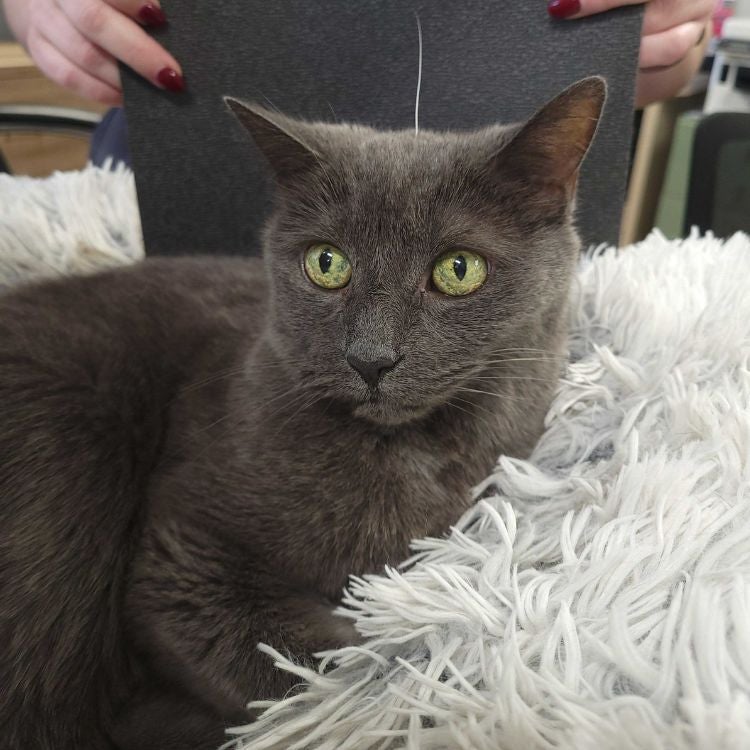
Compassionate Senior Care for Aging Cats
As cats age, their bodies, nutritional needs, and medical risks change. Senior cats require more attentive, proactive veterinary care to maintain comfort, mobility, and quality of life. Because cats instinctively hide pain and illness, age related conditions can progress quietly without obvious symptoms.
At Deer Park Veterinary Hospital, our cat senior care services focus on early detection, preventive screenings, and personalized care plans designed to support your cat through their golden years.
When Is a Cat Considered a Senior?
Most cats are considered seniors around seven to ten years of age, although aging can vary based on genetics, lifestyle, and overall health. As cats enter their senior years, routine veterinary visits become even more important to monitor subtle health changes and catch disease early.
How Does Aging Affect a Cat’s Health?
As cats get older, their immune system becomes less efficient, and the risk of chronic disease increases. Physical and behavioral changes are common and may include:
-
Increased sleeping or reduced activity
-
Decreased grooming or poor coat quality
-
Difficulty jumping or climbing
-
Weight loss or weight gain
-
Changes in appetite or thirst
-
Increased sensitivity to stress
Senior cats are more prone to conditions such as kidney disease, thyroid disease, diabetes, arthritis, heart disease, pancreatitis, and cancer. Many of these illnesses develop gradually and may not be noticeable without routine veterinary screening.
Senior Cat Nutrition and Dietary Needs
Aging cats often require dietary adjustments to support muscle mass, organ function, and overall vitality. While calorie needs may decrease due to lower activity levels, senior cats still require high quality protein, essential fatty acids, and appropriate levels of vitamins and antioxidants.
Wet food may be recommended for some senior cats to support hydration, especially for those with kidney disease or reduced thirst drive. Any dietary changes should be discussed with your veterinarian to ensure they meet your cat’s individual health needs.
Signs Your Cat May Be Slowing Down
Some slowing down is normal with age, but noticeable changes should always be evaluated by a veterinarian. Common signs include:
-
Difficulty jumping onto furniture or countertops
-
Reduced interest in play
-
Sleeping more than usual
-
Changes in social behavior or interaction
-
Hesitation using stairs or the litter box
Early evaluation can help distinguish normal aging from medical conditions that require treatment.
Common Health Conditions in Senior Cats
Senior cats are at increased risk for several chronic conditions, including:
-
Chronic kidney disease
-
Hyperthyroidism
-
Diabetes mellitus
-
Arthritis and joint disease
-
Heart disease
-
Dental disease
Symptoms may include increased thirst or urination, vomiting, diarrhea, weight changes, decreased appetite, bad breath, or mobility issues. Routine senior care screenings help detect these conditions before they significantly impact quality of life.
Preventive Care for Senior Cats
Preventive care remains essential throughout a cat’s life and becomes even more important in their senior years. Senior preventive care may include:
-
Comprehensive wellness exams
-
Routine lab work and senior health panels
-
Blood pressure monitoring
-
Thyroid testing
-
Parasite prevention and vaccinations as appropriate
-
Dental evaluations and cleanings
-
Pain management and mobility support
These proactive steps help manage chronic conditions and reduce discomfort.
Why Senior Wellness Exams Matter
Senior cats benefit from wellness exams at least once or twice per year. These visits allow veterinarians to track trends over time, compare lab results, and identify early disease.
During a senior wellness exam, your veterinarian may evaluate:
-
Weight and body condition
-
Heart and lung function
-
Joint mobility and muscle mass
-
Oral health
-
Hydration status
-
Behavioral and lifestyle changes
Additional diagnostics may be recommended based on findings and age related risk factors.
Common Diagnostic Tests for Senior Cats
Routine senior cat testing may include:
-
Complete blood count
-
Blood chemistry panel
-
Urinalysis
-
Thyroid hormone testing
-
Blood pressure measurement
These tests provide critical insight into organ function and help detect disease before symptoms appear.
Creating a Comfortable Life for Your Senior Cat
Caring for a senior cat often involves small lifestyle adjustments that can make a big difference. Providing soft bedding, easy access to food and litter boxes, regular grooming, and a calm environment can greatly improve comfort and well being.
With proper veterinary care, many senior cats continue to live happy, comfortable lives well into their later years.
Schedule Senior Care for Your Cat
Senior cats deserve attentive, compassionate care tailored to their changing needs. Routine exams and preventive screenings help ensure your cat remains comfortable and healthy as they age.
Contact us today at (513) 791-8550 or [email protected] to schedule a senior care appointment for your cat and learn how we can support them through every stage of life.