
Bringing home a new puppy is exciting, but it can also feel overwhelming, especially for first time pet parents. Puppies require specialized care during their first year to grow into healthy, well behaved adult dogs.
At Deer Park Veterinary Hospital, we help new puppy owners throughout the Cincinnati area give their pets the best possible start. From first veterinary visits to vaccinations, nutrition, and training guidance, our team is here to support you every step of the way.
This guide covers essential puppy care topics including:
-
When to schedule your puppy’s first vet visit
-
Common health concerns in puppies
-
Signs of a healthy puppy
-
Early training and socialization tips
-
What to expect during your puppy’s first exam
If you recently adopted or purchased a puppy, scheduling an early wellness exam is one of the most important steps you can take.
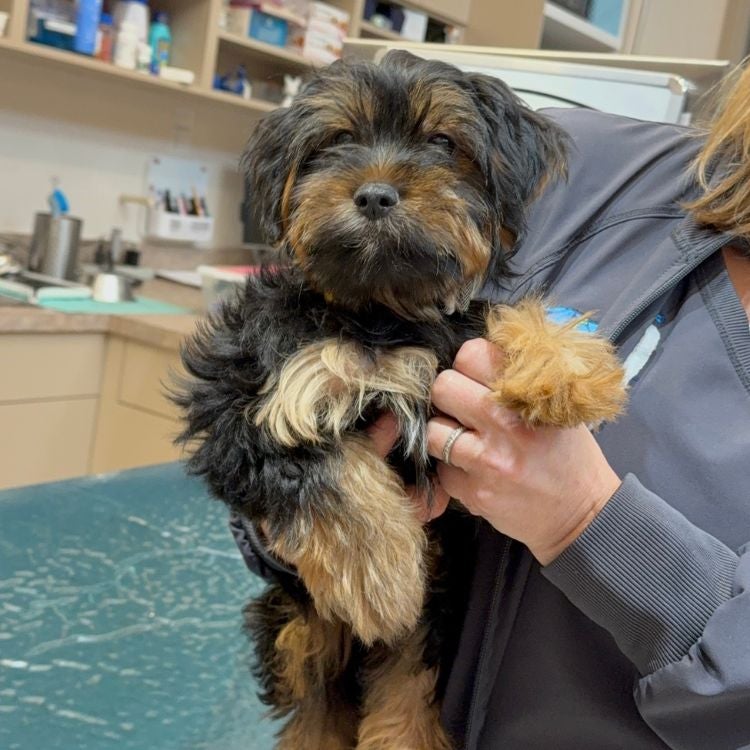
Why Proper Puppy Care Is So Important
The care your puppy receives during the first year of life can significantly impact their long term health, behavior, and quality of life.
Proper puppy care includes:
-
Routine veterinary exams
-
Vaccinations and parasite prevention
-
Balanced nutrition
-
Early socialization
-
Basic obedience training
These early foundations help prevent illness, reduce behavioral problems, and support healthy growth.
Puppies who receive proper veterinary care and early socialization are also more likely to develop into confident, well adjusted adult dogs.
When Should a Puppy First See a Veterinarian?
Most veterinarians recommend bringing your puppy in for their first veterinary exam within the first week of bringing them home.
Early veterinary visits allow your vet to:
-
Evaluate your puppy’s overall health
-
Identify congenital or breed related conditions
-
Begin a vaccination schedule
-
Test for intestinal parasites
-
Provide guidance on diet, training, and preventative care
What to Bring to Your Puppy’s First Vet Visit
To make the most of your appointment, bring:
-
Any vaccination records from the breeder or shelter
-
Deworming records
-
A fresh stool sample (for parasite testing)
-
The name of the food your puppy is currently eating
Your veterinarian will review this information to create a personalized care plan.
What Happens During a Puppy’s First Veterinary Exam?
Your puppy’s first exam is a comprehensive nose to tail health evaluation.
During the appointment, your veterinarian will check:
-
Eyes for discharge, redness, or abnormalities
-
Ears for infection or debris
-
Teeth and gums for oral health
-
Skin and coat condition
-
Heart and lungs for abnormal sounds
-
Abdomen for organ health
-
Joints and mobility
-
Weight and body condition
Your veterinarian will also discuss:
-
Vaccination schedules
-
Flea, tick, and heartworm prevention
-
Spaying or neutering
-
Nutrition recommendations
-
Behavioral development and training
These early exams are critical for detecting health concerns before they become serious problems.
Common Health Problems in Puppies
While puppies are energetic and playful, their immune systems are still developing, which makes them vulnerable to certain illnesses.
Some of the most common puppy health issues include:
-
Intestinal parasites
-
Ear infections
-
Skin allergies or irritation
-
Vomiting and diarrhea
-
Urinary tract infections
-
Dental issues
-
Obesity
Serious infectious diseases can also affect puppies, including parvovirus and canine distemper, which is why vaccinations are essential.
Signs Your Puppy May Be Sick
Puppies can become ill quickly, so recognizing early warning signs is important.
Contact your veterinarian if your puppy shows:
-
Loss of appetite
-
Vomiting or diarrhea
-
Lethargy or unusual tiredness
-
Persistent coughing or sneezing
-
Discharge from eyes or nose
-
Excessive thirst
-
Difficulty urinating or defecating
-
Behavioral changes
Severe diarrhea, vomiting, weakness, or dehydration may indicate parvovirus, a highly contagious disease that requires immediate veterinary care.
Signs of a Healthy Puppy
Healthy puppies typically show several positive indicators of wellness.
Signs of a thriving puppy include:
-
Bright, clear eyes
-
Clean ears and nose
-
A shiny, healthy coat
-
Fresh breath and healthy gums
-
Consistent appetite
-
Regular stool and urination
-
Steady weight gain and growth
-
Playful energy and curiosity
Routine veterinary visits help ensure your puppy stays on track during their rapid growth period.
When Should You Start Training a Puppy?
Training should begin as soon as your puppy comes home, often around 8 weeks of age.
Early training helps establish good habits and builds a strong bond between you and your dog.
Start with basic commands such as:
-
Sit
-
Stay
-
Come
-
Down
-
Walking politely on a leash
Keep training sessions short, typically 5 to 10 minutes, since puppies have short attention spans.
Positive reinforcement, including treats and praise, is the most effective training method.
Early socialization is also important. Exposing your puppy to different environments, people, and friendly animals helps them grow into a confident and well behaved adult dog.
Frequently Asked Questions
What do I need for a new puppy?
Essentials include food, bedding, toys, a crate or carrier, and a veterinary care plan.
When does a puppy need their first vet visit?
Puppies should be seen by a veterinarian within the first few weeks of coming home.
What vaccines does a puppy need and when?
Puppies receive a series of vaccines starting around 6–8 weeks of age.
How do I introduce a new pet to my other pets?
Introduce pets gradually in a controlled environment to reduce stress and prevent conflict.
What should I feed a new puppy?
Feed a high-quality diet formulated for growth and development.
How do I house train a puppy?
Consistency, routine, and positive reinforcement are key to successful house training.
Schedule Your Puppy’s First Vet Visit in Cincinnati
Starting veterinary care early helps ensure your puppy grows into a healthy adult dog. Regular wellness exams, vaccinations, and preventative care are essential during the first year of life.
If you recently welcomed a puppy into your home, the team at Deer Park Veterinary Hospital is here to help.
Contact us today to schedule your puppy’s first wellness exam and get expert guidance on raising a happy, healthy dog.